
Our latest news
Dental Hygiene and the Role of a Dental Hygienist

Dental Hygiene and the Role of a Dental Hygienist
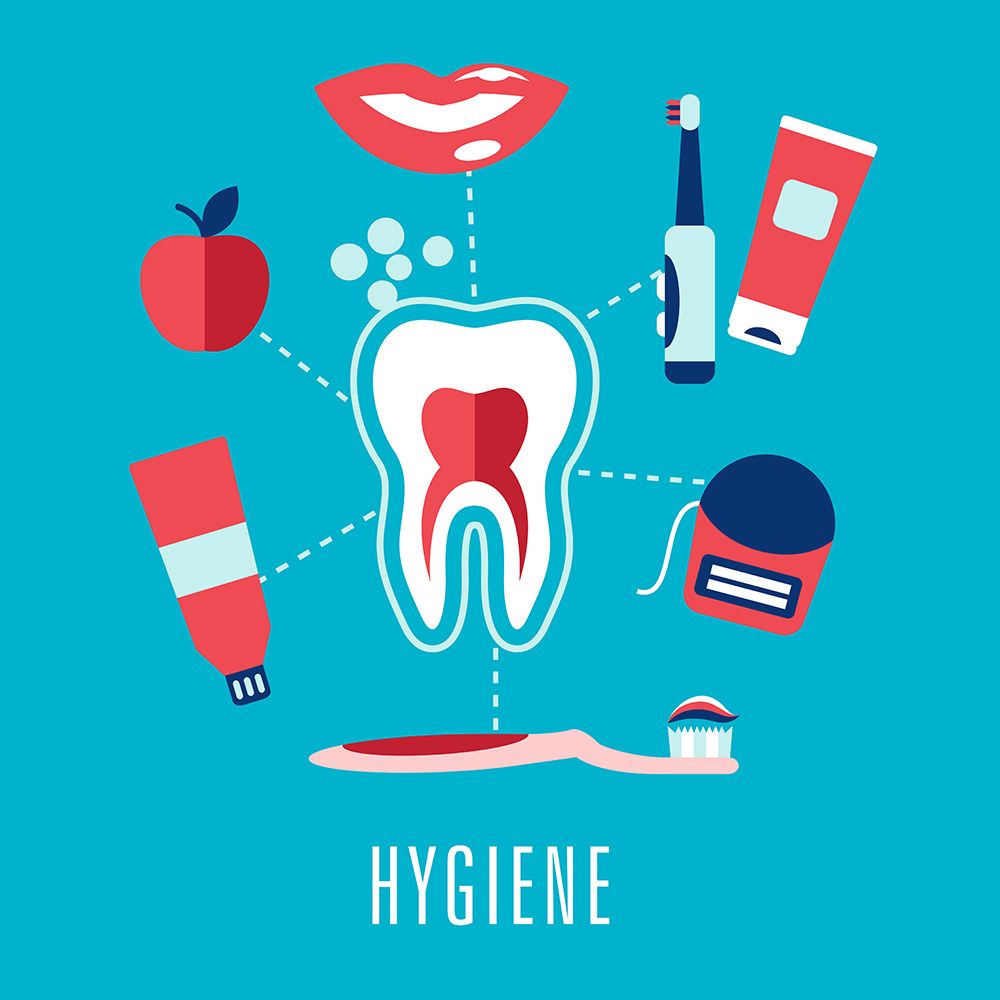
Dental hygiene is the practice of maintaining clean teeth, gums, and mouth to prevent oral health problems such as cavities, gum disease, and bad breath. Good dental hygiene is essential not only for keeping your smile looking great but also for overall health. Poor oral hygiene can lead to serious conditions such as tooth decay, gum disease, and even contribute to systemic issues like heart disease and diabetes.
A good dental hygiene routine typically includes:
• Brushing your teeth at least twice a day with fluoride toothpaste.
• Flossing daily to remove plaque and food particles from between your teeth.
• Using mouthwash to reduce bacteria and freshen your breath.
• Visiting your dentist regularly for check-ups and professional cleanings.
The Role of a Dental Hygienist
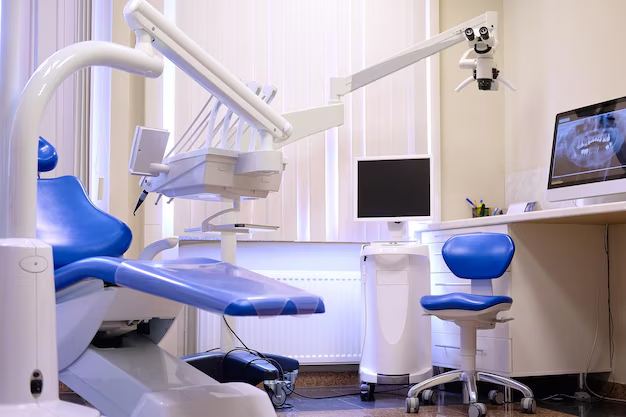
A dental hygienist plays a crucial role in maintaining oral health. They work closely with dentists to provide preventive care and help patients maintain their teeth and gums in optimal condition. Their primary responsibilities include:
Professional Cleaning
Hygienists perform cleanings, also known as scaling and polishing, to remove plaque, tartar (hardened plaque), and stains from teeth. This is a critical part of preventing cavities and gum disease.
Examining Oral Health
Dental hygienists assess the overall health of your teeth, gums, and mouth, looking for signs of cavities, gum disease, and other oral health issues. They may also take X-rays to help the dentist diagnose any hidden problems.
Preventive Education
Hygienists educate patients on the importance of good oral hygiene practices, such as proper brushing and flossing techniques, diet tips for healthy teeth, and how to avoid bad habits (like smoking) that can damage your oral health.
Gum Disease Management
If gum disease (gingivitis or periodontitis) is detected, hygienists may perform more specialized treatments, such as root planing and scaling, which help remove bacteria and plaque below the gumline to prevent further infection.
Applying Preventive Treatments
They may apply fluoride treatments to strengthen tooth enamel and protect against cavities. They can also place dental sealants on the chewing surfaces of teeth, particularly molars, to provide an extra layer of protection from decay.
Record Keeping and Monitoring
Hygienists keep detailed records of your oral health, track changes over time, and update treatment plans as necessary. They help dentists monitor conditions like gum disease and cavities to ensure that any issues are addressed early on.
Support During Dental Procedures
While the dentist performs restorative treatments, dental hygienists assist with preparation, provide patient support, and may also help with post-treatment care instructions.

Why Dental Hygiene is Important
Maintaining good oral hygiene helps prevent dental issues like cavities, gum disease, and tooth loss. It also contributes to overall health, as poor oral hygiene can increase the risk of heart disease, diabetes, and respiratory infections. Regular visits to a dental hygienist, combined with daily home care, can greatly reduce the risk of these issues.

In Summary
A dental hygienist is essential to your overall dental health, focusing on prevention and providing the tools and education you need to keep your smile healthy. By working closely with your dentist, they help you maintain optimal oral hygiene, prevent future dental problems, and educate you on the best practices for long-term dental care. If it's been a while since your last cleaning or check-up, don’t wait—schedule a visit with a dental hygienist to keep your teeth and gums in top condition!
We welcome all new and existing patients, Register Online for an initial patient consultation, Book An Appointment, or call 01908 313109 to speak to us.
Book Appointment Now